
When to Groom Long-Haired Cats for Healthy Coats

September 25, 2025

Long-haired cats, with their luxurious and flowing coats, are undeniably beautiful. From the majestic Maine Coon to the elegant Persian, these felines capture hearts with their stunning appearance.


However, that beautiful fur requires consistent care to stay healthy, comfortable, and free of mats. Many owners wonder how often they should groom long-haired cats to keep their coats in top condition. 


Understanding the right grooming frequency is key to proper long-haired cat care. It’s not just about aesthetics; regular cat grooming prevents painful skin conditions, reduces shedding, and strengthens the bond between you and your pet.


This guide will provide a complete overview of creating an effective cat grooming schedule, adjusting it for the seasons, and knowing when to call in a professional pet groomer for help. 


Why Regular Grooming for Long-Haired Cats is Essential


Unlike their short-haired counterparts, long-haired cats cannot always manage their extensive fur on their own. Their dense coats are prone to tangling, which can quickly lead to matting if not addressed. 


1. Preventing Painful Matting


A mat is a dense, tangled clump of fur that forms when loose hairs become knotted with the surrounding coat. What starts as a small tangle can grow, pulling tightly on the cat’s skin. This can cause significant pain, irritation, and even skin infections. In some cases, mats become so severe that only professional mobile cat grooming can safely remove them. 


2. Reducing Shedding and Hairballs


All cats shed, but long-haired breeds shed more noticeably. Brushing removes loose and dead hair directly from the coat before it has a chance to fall onto your furniture and clothes. This also reduces the amount of fur your cat ingests during self-grooming, which in turn minimizes the formation of uncomfortable hairballs. 


3. Monitoring Skin and Coat Health


Grooming sessions are a perfect opportunity to check your cat’s skin for any abnormalities. While you brush, you can look for signs of fleas, ticks, lumps, bumps, or skin irritation. Catching these issues early makes treatment much easier and more effective. A healthy coat should be shiny and smooth, and regular care helps maintain this condition.
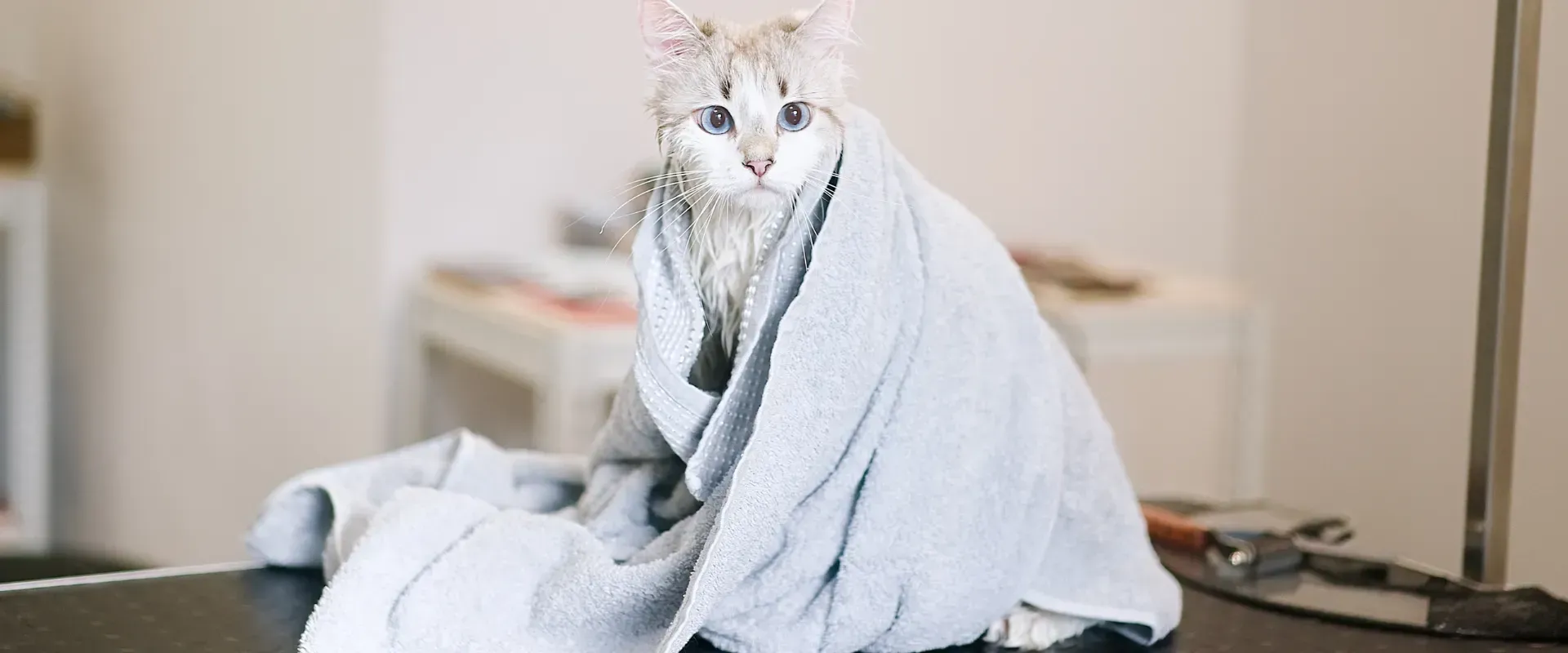
long-haired cat care

Creating a Cat Grooming Schedule


A consistent routine is the foundation of good long-haired cat care. While every cat is different, a general schedule provides a great starting point.


1. Daily Brushing: The Cornerstone of Care


For most long-haired cats, daily brushing is ideal. A few minutes each day is far more effective and less stressful than a long, difficult session once a week. Daily brushing helps you stay on top of tangles before they become problematic mats.


Recommended Tools:


  • Steel Comb: A comb with both wide and fine teeth is perfect for gently working through small tangles.


  • Slicker Brush: This type of brush has fine, short wires and is excellent for removing loose undercoat and preventing mats.


  • Dematting Tool: For tougher knots, a dematting comb can help break them apart safely. Use it with caution to avoid cutting the skin.

2. Weekly Deeper Grooming


Once a week, set aside time for a more thorough grooming session. This is when you can address any tangles you might have missed during daily brushing and perform other essential care tasks.


  • Thorough Brushing: Go over your cat’s entire coat, paying special attention to friction areas like under the legs, on the belly, and behind the ears, where mats are most likely to form.


  • Nail Trimming: Check your cat's claws weekly and trim them as needed. This prevents them from becoming overgrown, which can be painful and lead to issues with walking.


  • Ear and Eye Cleaning: Gently wipe your cat’s eyes and ears with a soft, damp cloth to remove any discharge. Check for signs of infection, such as redness, swelling, or a bad odor.

3. Monthly Bathing (If Necessary)


Most cats are careful self-groomers and don’t require frequent baths. However, some long-haired cats may benefit from a bath every 4-6 weeks, especially if their coat becomes greasy or they get into something messy. Always use a shampoo specifically formulated for cats, as human shampoos can dry out their skin. Bathing can also be a helpful part of a mobile cat grooming service, where professionals can handle the process in a calm environment.


Understanding Seasonal Cat Grooming Needs


A cat’s grooming needs can change with the seasons. Adjusting your routine accordingly will help keep their coat healthy year-round.
seasonal cat grooming

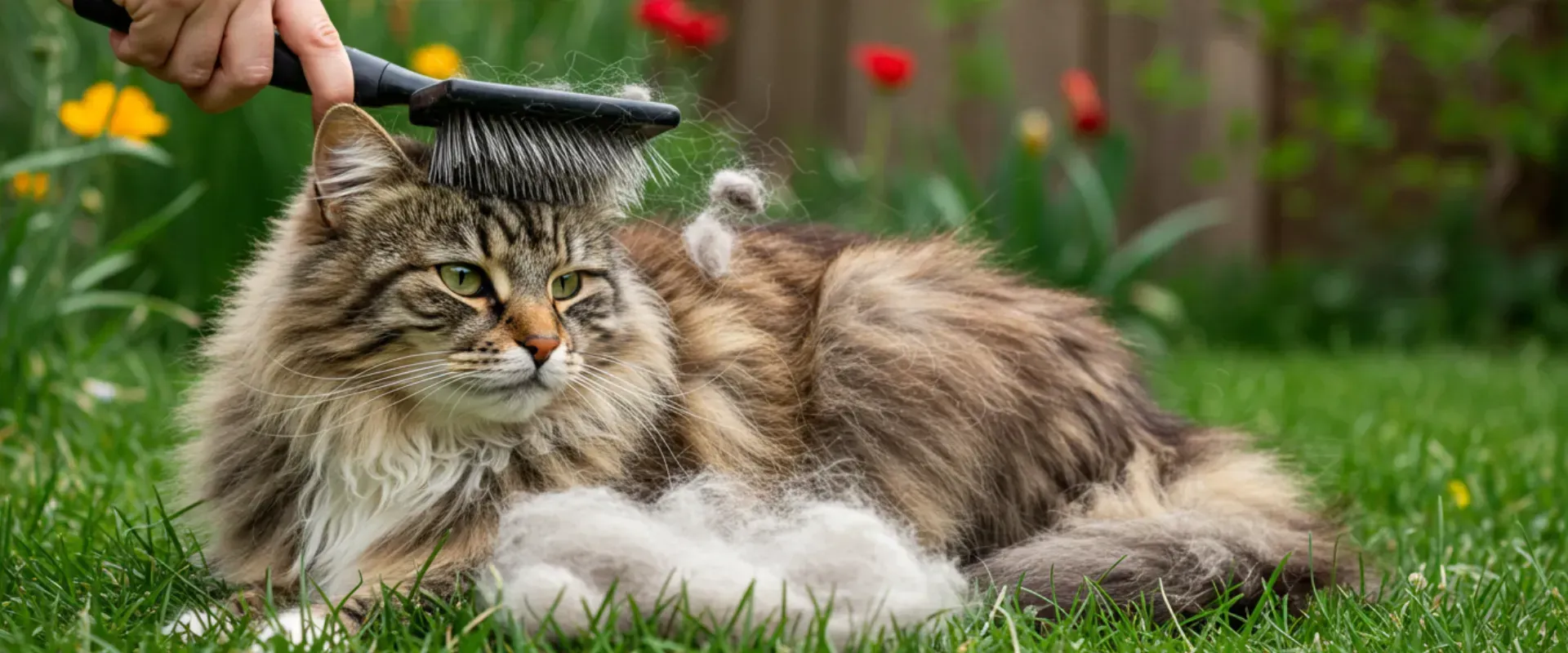
Spring: The Shedding Season


As the weather warms up, cats begin to shed their thick winter coats. This is the peak season for shedding, and you’ll likely notice more fur around your home. During spring, you may need to increase brushing frequency to twice a day to manage the shedding and prevent the loose fur from creating mats. This is a critical time for seasonal cat grooming.
seasonal cat grooming

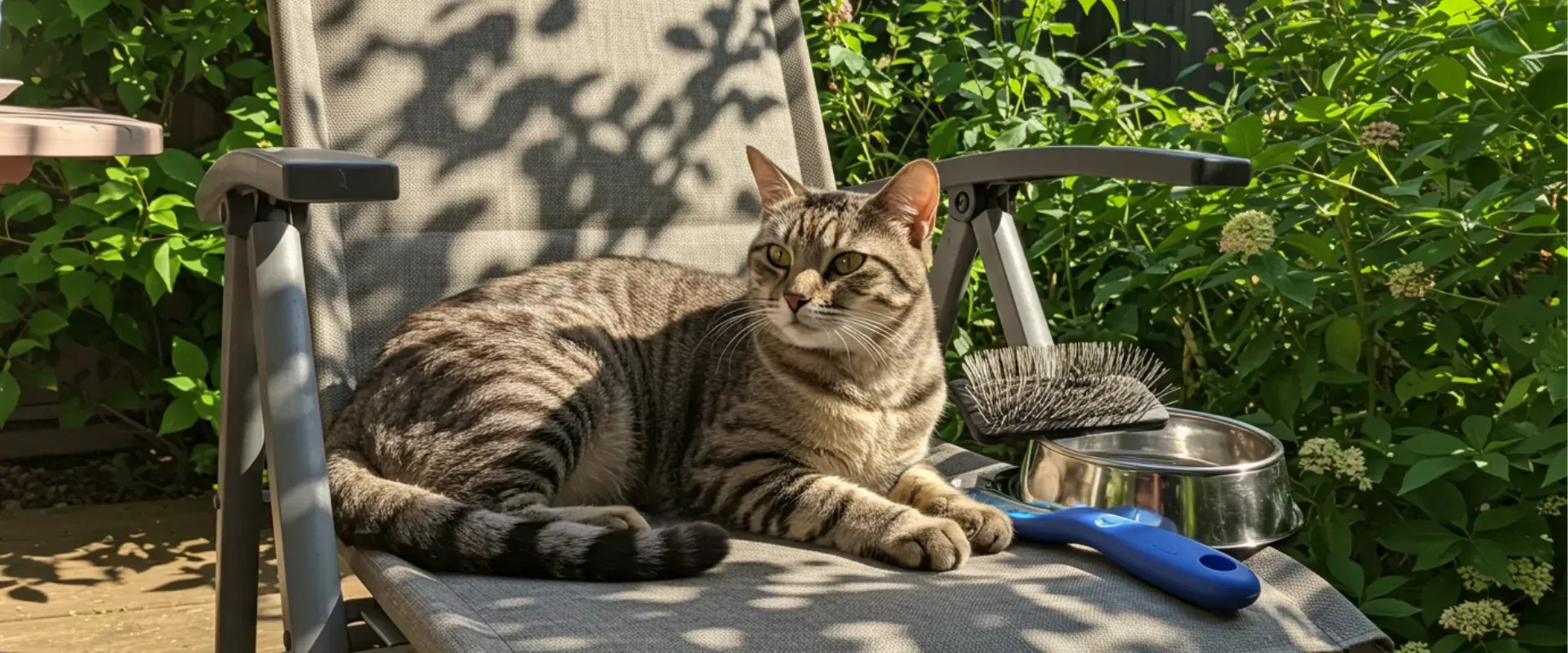
Summer: Keeping Cool and Comfortable


In the summer, the main goal is to keep your cat comfortable in the heat. A well-groomed coat, free of mats, allows for better air circulation against the skin. Some owners consider a "lion cut" or other shorter hairstyle for their long-haired cats during summer. While this can help them stay cool, it also removes their natural protection from the sun. If you go for a trim, ensure your cat has plenty of shade when outdoors.
seasonal cat grooming

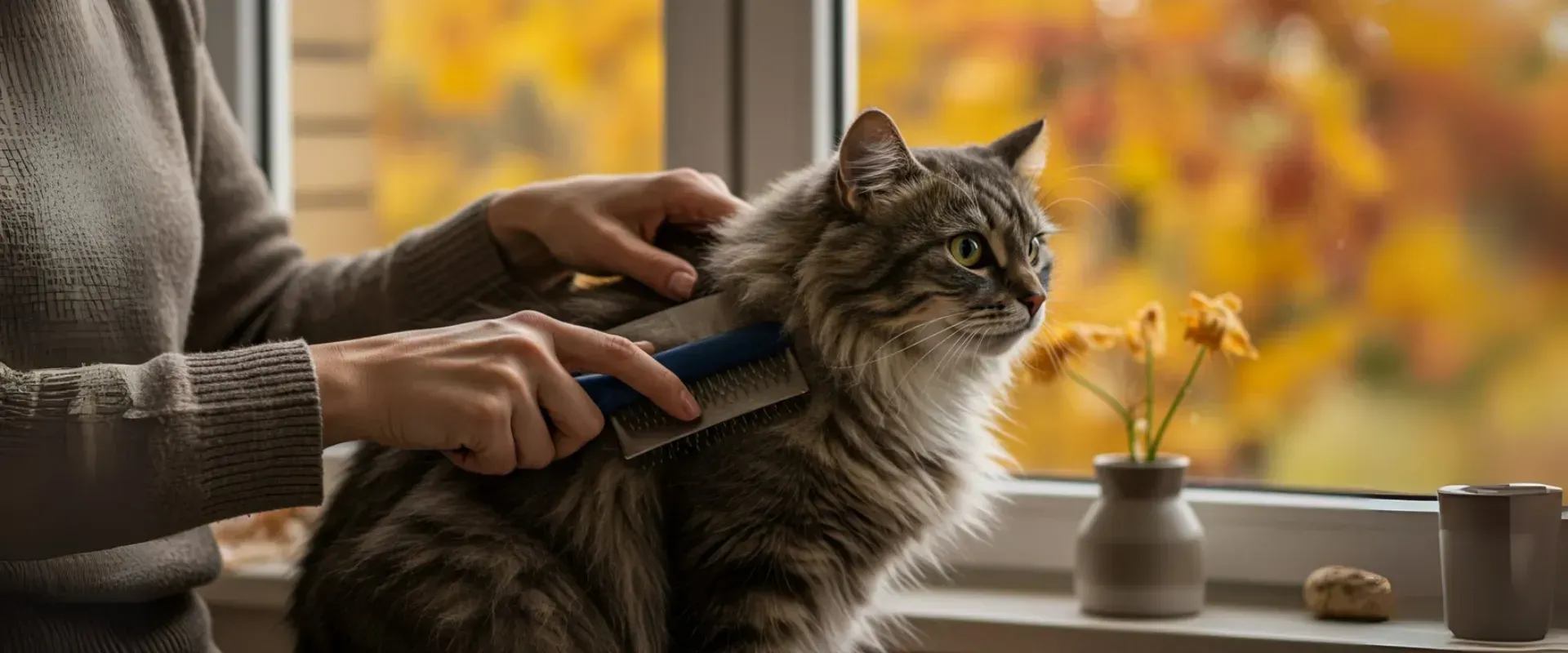
Autumn: Preparing for Winter


As temperatures drop, your cat will start to grow a denser undercoat to prepare for winter. Shedding may decrease compared to spring, but regular brushing remains important. This is a good time to ensure their coat is completely free of tangles before the thick winter fur grows in, which can make matting worse.
seasonal cat grooming

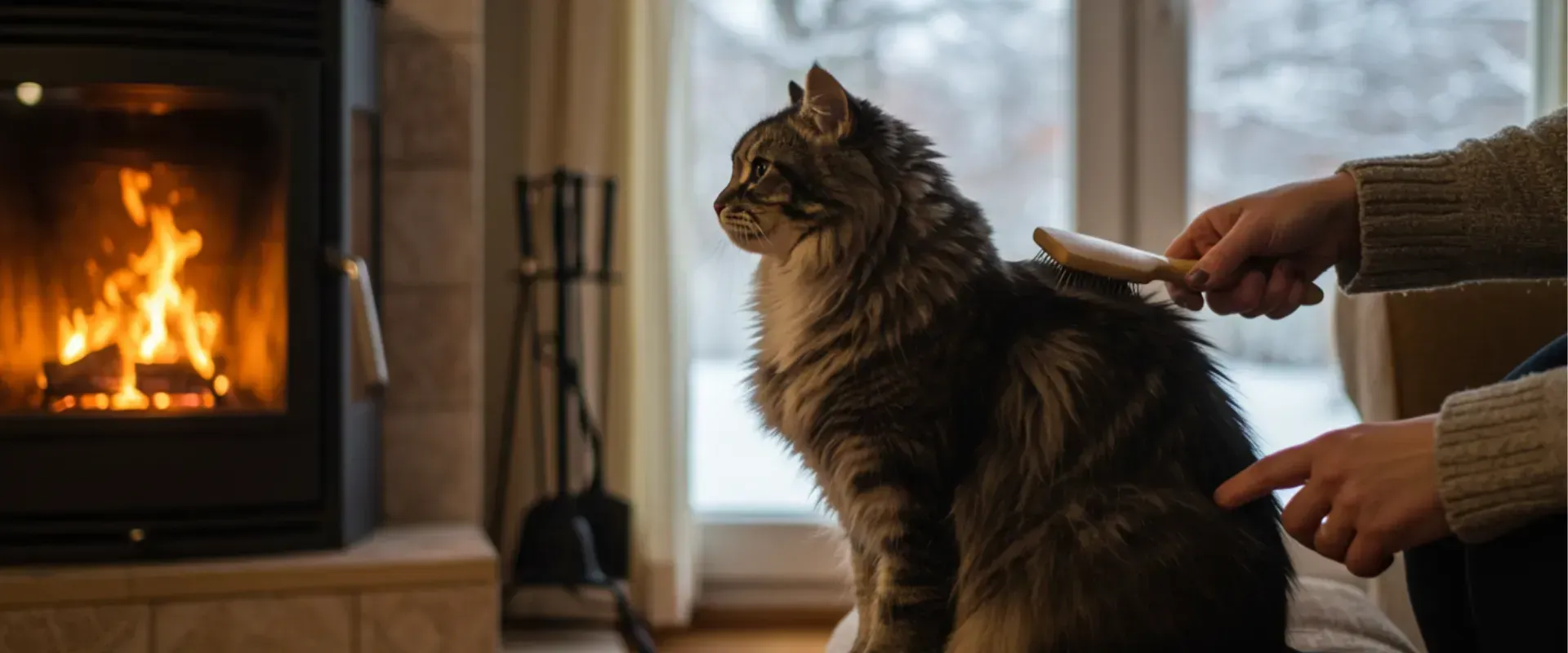
Winter: Maintaining a Healthy Coat


During winter, indoor heating can dry out your cat’s skin and coat. Maintaining a consistent cat grooming schedule helps distribute natural oils throughout the fur, keeping it moisturized. Make sure their coat is free of any snow or ice after they've been outside, as this moisture can contribute to matting when it dries.
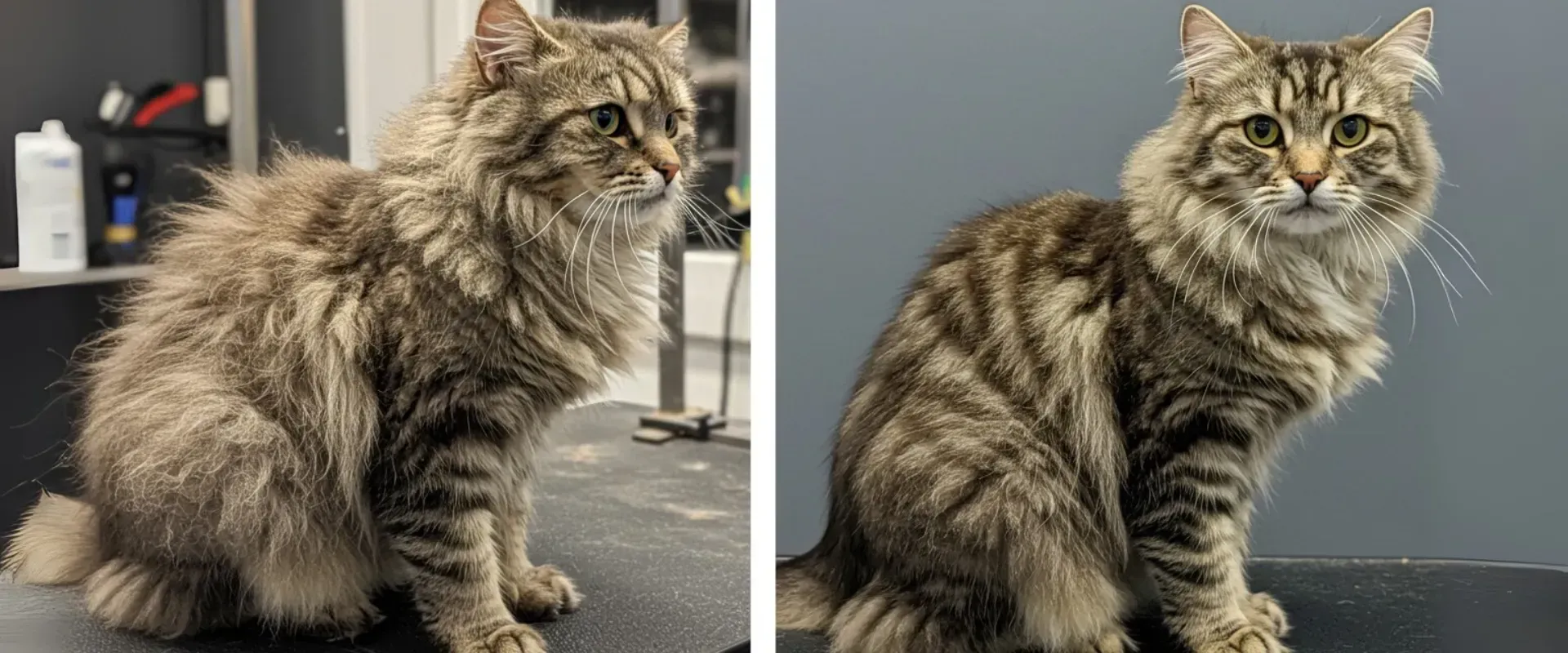
groom long-haired cats

When to Call a Professional


While regular home care is crucial, there are times when professional help is needed. Professional mobile pet groomers have the tools, training, and experience to handle more challenging grooming tasks safely.


  • Severe Matting: If your cat has extensive or very tight mats, attempting to remove them at home can be painful and dangerous. A professional groomer can shave or clip out the mats without harming the skin.


  • Behavioral Challenges: Some cats simply do not tolerate grooming. If brushing sessions are a constant battle, a professional may be able to handle your cat more effectively and with less stress for everyone involved.


  • Specialized Haircuts: If you want a specific style like a lion cut, it’s best to leave it to a professional to ensure it’s done safely and correctly.


  • Full-Service Care: Professional mobile grooming services often include bathing, nail trimming, and ear cleaning, providing complete care at your doorstep.


Maintaining the coat of a long-haired cat is a commitment, but it’s a rewarding part of responsible pet ownership. A consistent cat grooming schedule is the best way to keep your feline friend happy, healthy, and looking beautiful.


Finding a service that prioritizes a calm and compassionate experience is key. Give your best friend a stress-free grooming experience designed for comfort and care.


Frequently Asked Questions


How often should I groom my long-haired cat?


Long-haired cats need daily brushing to prevent mats and tangles. Professional grooming should occur every 4-6 weeks, with seasonal adjustments based on your cat's shedding patterns and coat condition.


What's the best brush for long-haired cats?


A combination approach works best: start with a wide-tooth comb for detangling, follow with a slicker brush for general maintenance, and use a de-shedding tool weekly to manage undercoat shedding.


When should I start a grooming routine for my long-haired kitten?


Begin gentle grooming sessions as early as 8-12 weeks old to help your kitten become comfortable with handling. Start with short, positive sessions and gradually increase duration as they adjust.


Can I bathe my long-haired cat at home?


Yes, but it requires patience and proper technique. Ensure you thoroughly brush out all mats before bathing, as wet mats become tighter and more difficult to remove. Many owners prefer professional bathing services for best results. 


How do I prevent my long-haired cat from developing mats?


Daily brushing is the most effective prevention method. Focus on high-mat areas like behind ears, under arms, and around the collar. Address small tangles immediately before they develop into larger mats. 
By Lauren Hannold June 24, 2026
What actually happens during a first mobile dog grooming visit in Harrisburg, PA. Bath package, full groom, pricing by coat type, and what to expect. Cockapoo named Wren came up for her first mobile appointment last spring. Her owner had tried two Harrisburg-area shops. Both times, Wren came back shaking. So we parked the van at the end of the driveway and let her sniff around the ramp for about four minutes before we started. The groom took forty-five minutes. She fell asleep during the blow-dry. Quick answer: Dog grooming in Harrisburg, PA through a mobile service means a fully equipped van parks outside your home, and your dog gets a one-on-one session with no other animals, no kennel wait, and no drop-off. Most visits run 45 minutes to 2 hours depending on size and coat. What Happens When You First Book a Mobile Appointment Booking works through a short intake form covering size, breed, coat condition, and any behavioral notes. No in-person consultation required for most dogs. We schedule based on Harrisburg-area route days, so availability depends on which neighborhoods we are running that week. Camp Hill and Enola slots typically fill faster than others. Most first-time bookings land within one to two weeks of the initial request. You get a reminder the day before and a heads-up text when the van is about twenty minutes out. No need to be standing outside waiting. Just make sure there is enough room in the driveway for the van to park, roughly the footprint of a large pickup truck. A one-car driveway works fine. Street parking in front of the house also works when the driveway is tight. What the Van Looks Like When It Parks Outside The van is a fully enclosed grooming unit. Climate-controlled, so summer heat and Pennsylvania winter cold do not affect the session. Inside: a hydraulic grooming table, professional-grade dryer, a water-heating system with a self-contained tank, and storage for all tools. It is roughly the footprint of a large bathroom, compact but fully equipped for full grooms, baths, and de-shed treatments. Most dogs are curious about it before they are nervous. The smell is not the same as a shop because no other animals have been through before them that day, which makes a real difference for dogs that are scent-sensitive. The ramp angle is gentle enough for senior dogs and small breeds. We never rush the first introduction. If a dog needs a few minutes outside the van before walking up the ramp, that is part of the appointment.
By Lauren Hannold June 22, 2026
What a de-shed treatment actually removes from a dog's coat, how it differs by breed, and when to book one near Harrisburg, PA. Real numbers, no vague answers. Lab named Duke came in last April. His owner mentioned that Duke sheds 'a bit.' On the table, it turned out Duke shed approximately the weight of a small rabbit every week. Spring blowing-coat season on a black lab. We ran the high-velocity dryer for eleven minutes before the brush even touched the coat. The pile of undercoat on the table afterward was about four inches high. Duke's owner stood outside watching through the van window and messaged afterward to say she had not seen his actual coat color in three months. Quick answer: A de-shed treatment near Harrisburg, PA uses a high-velocity dryer and systematic brushing to remove loose undercoat before it ends up on your floors. It is not a blow-dry with some extra brushing — it is a distinct process that physically dislodges dead undercoat that regular brushing cannot reach. Results last four to six weeks on most double-coated breeds. What a De-Shed Treatment Removes That a Regular Bath Does Not A standard bath wets and rinses the coat. A regular brush-out removes the surface layer of loose fur. Neither one reaches the undercoat effectively. The undercoat on a double-coated dog sits below the guard hairs in a dense, insulating layer. When a dog is shedding, that layer loosens from the skin but does not always exit the coat on its own — it compacts against the skin instead, which creates the clumping and matting you see on labs, shepherds, and goldens mid-shed. The de-shed treatment for dogs works differently. First, a high-velocity dryer blows through the coat at high speed, physically separating the loose undercoat from the guard hairs and pushing it to the surface. Then a slicker brush and a deshedding tool work through the coat section by section. On a dog with a full coat in active shed, the process removes several times more undercoat than any regular brushing session could.
By Lauren Hannold June 15, 2026
Which mobile grooming add-ons are worth it in Carlisle, PA and which are not, based on your dog's coat type. Hydro-massage, premium conditioning, fragrance, and more. Standard poodle named Oliver came in last November for a full groom. His owner asked about add-ons for the first time and picked the premium conditioning treatment almost as an afterthought. When Oliver came down the ramp, his owner ran a hand through his coat and went quiet for a second. Then she said: why has no one told me about this before. The coat felt different. Not just clean, but actually softer than it had been in months. Quick answer: Mobile grooming add-ons in Carlisle, PA extend or improve the base bath or full groom. The ones worth getting depend almost entirely on coat type. Premium conditioning is worth it for long or dry coats. Hydro-massage makes the most difference for bigger dogs. Fragrance is an aesthetic choice, not a grooming benefit. What Premium Conditioning Does for Long or Dry Coats The standard bath uses a professional shampoo and a light conditioner rinse. The premium conditioning treatment is a leave-in or deep-condition step that goes on after the rinse and sits in the coat before the blow-out. For dogs with long coats, curly coats, or coats that tend to frizz or dry out in winter, this is the add-on that actually changes how the coat looks and feels between appointments. It matters most for doodles, poodles, cockers, and any dog with a coat that gets tangly or straw-like between visits. For short-coated labs or boxers, the effect is real but subtler — the coat gets a slight sheen and feels a bit softer, but nothing as dramatic as it is on a long coat. If you have a short-coated dog and are choosing between add-ons, there are better options for that coat type. Why Hydro-Massage Makes the Most Difference for Bigger Dogs The hydro-massage add-on uses a pulsing water pressure attachment during the bath phase to work through the coat and against the skin. It loosens dirt more effectively than a standard rinse on thick or heavily-coated dogs, and for older dogs with stiff joints, the warm water pressure at the skin level genuinely seems to help them relax during the bath. Most dogs over 50 pounds are better candidates for this than small breeds. Small dogs get a less noticeable benefit from hydro-massage because their coats are easier to saturate without it. The water pressure that is therapeutic on a 75-pound lab is a bit much for an 8-pound maltese. If you have a small dog and are eyeing add-ons, premium conditioning tends to be a better choice.
By Lauren Hannold June 9, 2026
How mobile dog grooming in Mechanicsburg, PA changes the experience for anxious, reactive, and senior dogs. What we do differently and why it works. 
By Lauren Hannold June 1, 2026
How a mobile dog grooming van is actually set up, what equipment runs inside it, and what a typical one-dog session looks like in Carlisle, PA. Yorkie named Peanut went from forty-five minutes in a shop to twelve minutes start to finish in the van. Not because Peanut got faster. Because there was no kennel wait, no holding area, no time spent stressing between steps. The math on a one-dog session is just different. Quick answer: A mobile grooming van in Carlisle, PA is a self-contained unit. It runs its own water, its own power, and does one dog at a time. Typical sessions run 45 minutes to 90 minutes depending on coat and size. No other dogs. No drop-off window. How the Van's Water System Works The van carries its own water. A 40-gallon fresh-water tank and a separate 30-gallon drain tank sit in the rear of the unit. Water runs through an on-demand propane water heater, so the temperature stays consistent throughout the bath regardless of outside temp. We refill the fresh-water tank at base between routes. No hookup needed at your house. One thing that surprises people: the water pressure inside the van is calibrated for dogs, not for a car wash. It is strong enough to rinse a thick double coat but not so forceful that it spooks a small breed. The showerhead sits on a flexible hose, so we can direct it under the belly, behind the ears, and down the legs without repositioning the dog. What the Generator Powers During a Session Most route-ready vans run a 7.5 or 10 kW generator. Ours pulls around 18 to 24 amps at peak, which is when the dryer and the climate system are both running. The generator is mounted in a soundproofed housing at the rear, so you hear a low hum outside the van but almost nothing inside. Dogs are not reacting to generator noise — that part of the build matters. The climate system runs off the generator too, which is why mobile grooming works in January and August. A shop with no AC does a bad job drying in summer. A van at 72 degrees year-round does a consistent job every time.
By Lauren Hannold May 27, 2026
A Carlisle, PA mobile dog groomer explains how we safely take a pelt off a dog, when to demat vs. shave, and why a vet visit sometimes comes first. TL;DR. A real dematting visit takes longer than a normal groom and sometimes ends in a vet referral instead of a haircut. If the mats are pelted to the skin, we shave it short and start the coat over. We don't sit there pulling a brush through a screaming dog for two hours. 
By Lauren Hannold May 19, 2026
A working groomer breaks down the mobile dog nail trim visit in Mechanicsburg, PA, the grinder-paw-quick technique, and when your dog should see a vet first. Q uick answer. A mobile dog nail trim happens in a temperature-controlled van parked in your driveway, lasts 10 to 20 minutes for most dogs, and uses a grinder instead of clippers. The dog stays on a non-slip mat, in a quiet space, with no waiting room and no other animals. Less stress, fewer quicks, calmer dog at the door when you walk back inside. 
By Lauren Hannold May 5, 2026
An operator's honest look at how mobile dog grooming works in the Harrisburg, PA area: route logic, midweek vs. Saturday, what 90 minutes covers, and how we match vans to dogs. 
By Lauren Hannold April 24, 2026
Mobile cat grooming in Carlisle, PA, walked through honestly: what the visit looks like, why cats need a different protocol than dogs, and which cats it suits best. 
By Lauren Hannold April 15, 2026
A working groomer's guide to double-coated dog deshedding in Mechanicsburg, PA. The five-step process, breed-by-breed van setup, and why you should never shave the coat in summer.